
15 Secrets You’re Missing for Perfectly Set Pies
Perfectly set pies are the hallmark of a great dessert table, but achieving that flawless slice can feel elusive. The secret lies in mastering a few essential techniques, from using the right thickener to allowing adequate cooling time. Each step plays a role in transforming your pie into a centerpiece that cuts cleanly and holds together beautifully, no matter the filling.
Getting the consistency just right isn’t about guesswork. Using ingredients like cornstarch, tapioca, or flour in the correct proportions can prevent runny fillings while enhancing texture. Equally important is baking your pie long enough for the filling to fully thicken and set. Even the cooling process is key—rushing it can undo all your hard work by making the pie too soft to slice.
Whether you’re working with juicy fruits, velvety custards, or rich nut fillings, these 15 secrets for perfectly set pies will make the process easier. With the right know-how, you’ll be slicing picture-perfect desserts that hold their shape and impress every guest at the table.
Use the Right Thickener
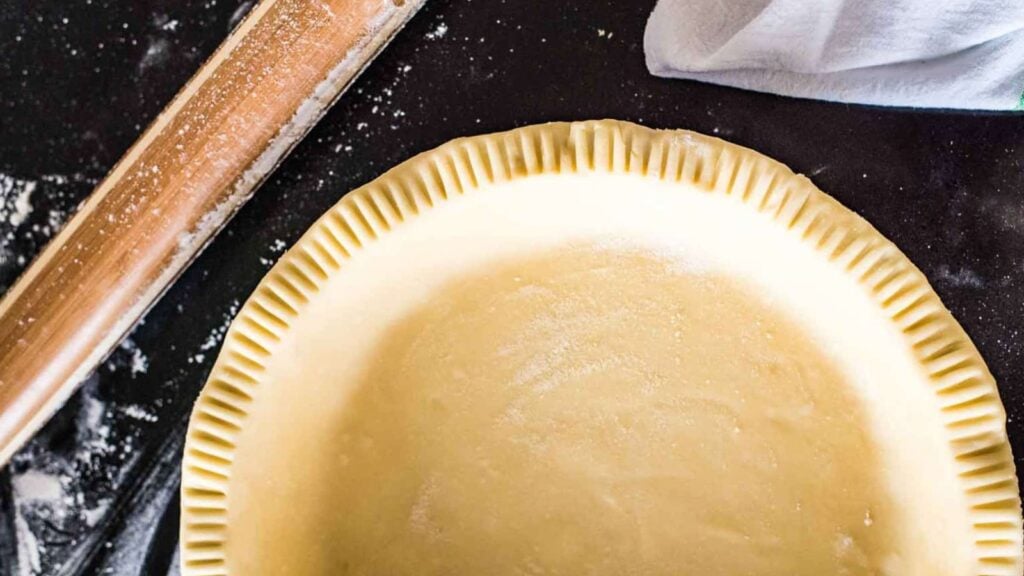
Selecting the proper thickener is crucial for achieving the desired texture. Cornstarch, tapioca, and flour each work best for different fillings. For fruit pies, tapioca or cornstarch prevents excessive liquid from pooling. Custard pies benefit from egg-based thickeners for a smooth, firm consistency.
Pre-Cook Juicy Fillings
Cooking fruit fillings briefly before adding them to the crust can help release excess moisture. This prevents soggy bottoms and creates a thicker filling. Adding sugar and a thickener during cooking ensures the liquid binds properly. Let the filling cool before pouring it into the crust to prevent it from melting.
Blind Bake the Crust
Pre-baking the crust is essential for pies with creamy or liquid fillings. This step keeps the bottom crust crisp and prevents it from soaking up too much liquid. Use weights or dried beans to keep the crust flat during baking. Cool completely before adding the filling.
Let Pies Cool Completely
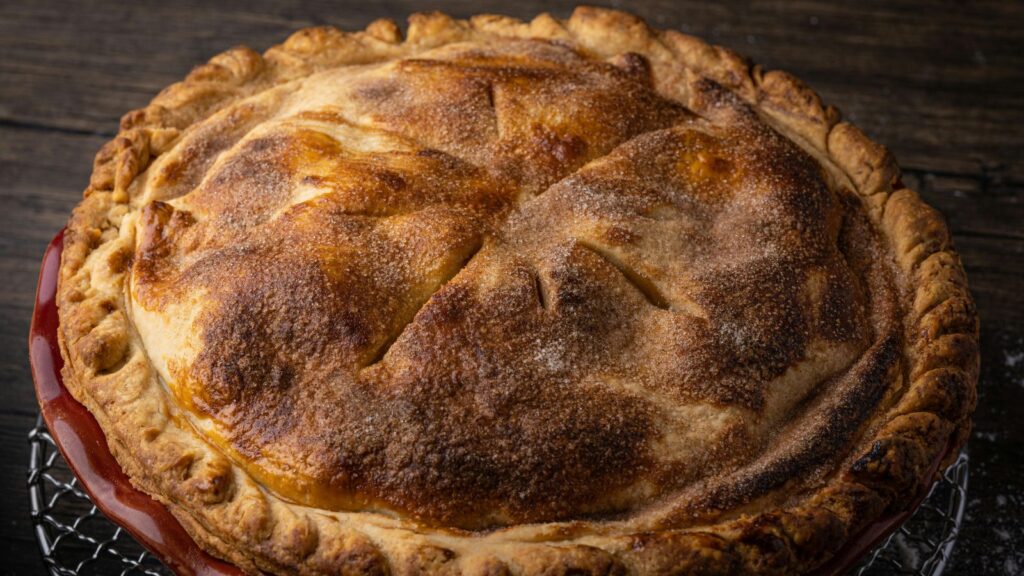
Cooling time is critical for the filling to set properly. Cutting into a pie while it’s hot can lead to a runny mess, as the filling needs time to thicken. Cooling on a wire rack allows air to circulate and prevents condensation. For best results, let the pie cool for at least two hours.
Bake Long Enough
Undercooking is one of the main reasons pies don’t set correctly. Fruit pies should bubble in the center to activate the thickener fully. Custard pies need to reach a slight jiggle in the middle before they’re done. Always follow the recipe’s baking times and test for doneness as needed.
Avoid Overmixing Fillings
Overmixing pie fillings, whether fruit-based or creamy, can lead to undesirable textures. For fruit pies, too much stirring can break down the fruit, causing it to release excess liquid and create a soggy crust. For creamy fillings, vigorous mixing can introduce air, leading to cracks or uneven baking. Mix gently until ingredients are just combined for the best results.
Control Liquid in Fruit Pies
Adding too much liquid to fruit fillings can cause them to overflow or stay runny. Macerate the fruit with sugar to draw out excess juices, then drain before mixing with a thickener. This step keeps the filling from being overly wet while maintaining flavor.
Don’t Skip Venting
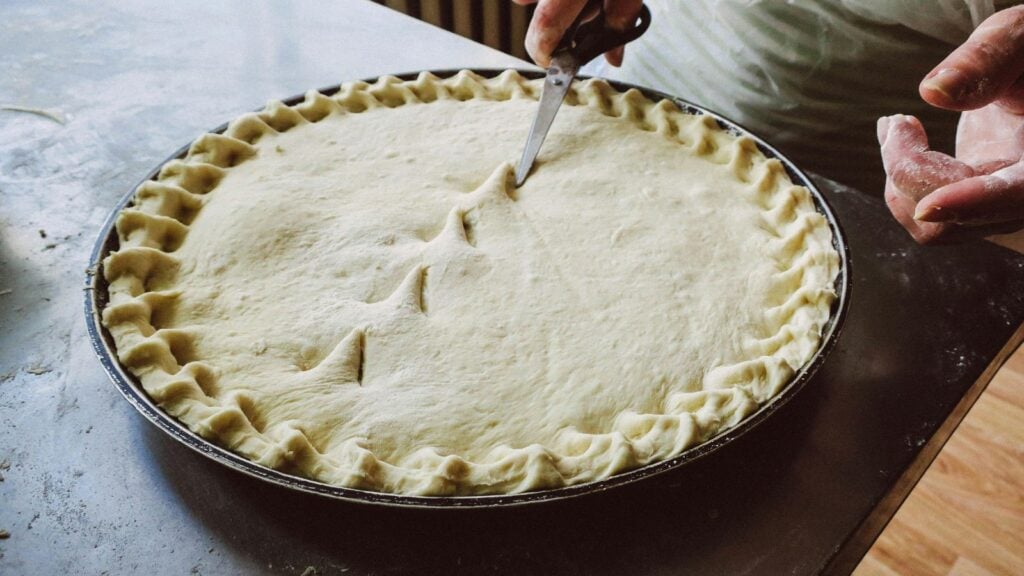
Fruit pies need proper ventilation to release steam during baking. Cut slits or shapes into the top crust to allow steam to escape. This prevents soggy fillings and helps the crust bake evenly. For lattice crusts, the natural gaps work perfectly as vents.
Use Room-Temperature Ingredients
While pastry and pie crusts need cold ingredients, filling recipes will often call for room-temperature eggs, dairy, and other components. They blend more smoothly and set evenly, while cold ingredients can cause lumps or uneven cooking. Let ingredients sit out for 30 minutes before preparing the filling. This simple step makes a big difference in texture.
Brush Crusts with Egg Wash
Applying an egg wash to the crust before baking enhances color and texture. This creates a golden, crisp finish that complements the filling. Use a mix of egg and milk or water for the best results. Brush lightly and avoid drips to keep the edges neat.
Use Parchment or Foil Shields
Crust edges often bake faster than the filling, risking over-browning. Cover the edges with parchment or foil halfway through baking to protect them. This simple trick ensures a perfectly cooked crust without burnt edges. Remove the shield toward the end for even coloring.

Chill the Dough
Keeping pie dough cold during preparation helps it bake evenly. Warm dough can melt or shrink in the oven, leading to uneven crusts. Chill the dough after rolling and before adding the filling for a stable base. Use chilled tools and work quickly to maintain temperature.
Measure Ingredients Precisely
Pie fillings are sensitive to ingredient ratios, especially thickeners. Too much or too little can drastically alter the outcome. Use a kitchen scale or measuring cups for accuracy. This precision ensures consistent results with every pie.
Test for Doneness
Checking a pie’s doneness prevents under or overbaking. For fruit pies, look for bubbling in the center and tender fruit. Custard pies should jiggle slightly but not slosh when shaken, and the center must be set and even. Use a thermometer for custards, aiming for 170–175°F.
Store Properly
Leftover pies need proper storage to maintain their texture. Cover tightly and refrigerate cream or custard pies to prevent drying. Fruit pies can be kept at room temperature for a day but should be refrigerated for longer storage. To recreate that fresh-from-the-oven texture, reheat individual portions before serving.