
Are You Making One These 13 Cooking Mistakes? Here’s How to Fix Them
Let’s face it—cooking is a balance of art and science, and even the best of us occasionally miss a step or two. Maybe you’ve packed too many veggies into a pan, skipped that quick rinse for your grains, or wondered why your meat never tastes quite as good as it should. These tiny, easy-to-miss mistakes can sneak into your routine, quietly holding your dishes back from their full potential. But here’s the good news: they’re all fixable!
This guide shines a light on the 13 common cooking mistakes you didn’t even know you were making and gives you simple, effective ways to fix them. With just a few tweaks, you’ll unlock more flavor, texture, and confidence in the kitchen. Ready to elevate your cooking game and make every dish its absolute best? Let’s dive in and get started!

Using Only Dried Herbs
Dried herbs can’t match the freshness and vibrancy of fresh ones in certain dishes. Use fresh herbs for salads, sauces, and garnishes to bring out the best flavors. Dried herbs work better for slow-cooked meals. A balance between fresh and dried herbs can transform a dish.
Skipping Acidic Ingredients
Leaving out lemon juice, vinegar, or other acidic ingredients can make dishes feel flat. A touch of acidity can balance richness and brighten flavors in recipes. This is especially effective in dressings, marinades, sauces, and soups. Simple adjustments can create more balanced results.
Using Cold Ingredients When the Recipe Calls for Room Temp
When a recipe advises you to use room temperature butter, eggs, or meat, and you don’t, it can affect texture and cook times. I know it can be a pain when you’ve forgotten to lay out the butter for your favorite oatmeal cookies, but allowing these ingredients time to come to room temperature will improve the results. This is especially important in baking! The same applies when trying to use room-temperature ingredients when the recipe calls for cold ones. Plan in advance for better results.
Not Using the Right Cooking Oil
If you’ve ever stood in the oil aisle at a large grocery store, you’ve probably noticed that you are so spoiled for choice that it can be overwhelming. Most of these oils fall into one of two categories: refined or unrefined, and each has its place in your kitchen. Refined oils, with their neutral flavor and higher smoke point, are ideal for frying, baking, or other heat-related purposes. Unrefined, or virgin, oils have light, delicate flavors, making them better for things that don’t require high heat, like dressings or light sautés. Matching the oil to the dish can make a huge impact on the flavor of the final dish.

Avoiding Fish Sauces
Many American home chefs will skip the fish sauce in favor of less fishy ingredients, but you are missing out! Made around the world, you can often find several types of fish sauce, ranging from budget to premium, available in your local grocery. Often made with fermented anchovies, these sauces add subtle depth to sauces, soups, and marinades, and a small amount will enhance the savory flavor without tasting fishy. They’re a key secret to creating complex flavors in everyday dishes. Keeping them on hand is a game-changer.
Salting Only at the End
Salting only at the end of cooking doesn’t allow it to enhance flavors throughout the dish. Seasoning as you cook helps flavors develop and avoids over-salting. This tip is crucial for soups, sauces, and proteins. Layered seasoning creates depth.
Skipping Nut or Seed Toasting
Nuts and seeds have a richer flavor when toasted lightly. Tossing them in a skillet or oven brings out their oils and crunch for salads, baked goods, and toppings. Raw options often lack the same flavor intensity. This small step takes just a few minutes of your attention and adds tons of dimension to recipes.
Adding Vanilla Too Early
Vanilla loses its flavor if added too soon to hot mixtures. Stir it in at the end for desserts or after cooking to preserve its aroma. This step ensures it’s a noticeable highlight in your recipes. Proper timing makes all the difference.
Using Cheap Soy Sauce
Low-quality soy sauces can overpower dishes with saltiness. Naturally brewed soy sauce creates better balance and depth for stir-fries, dressings, or marinades. Investing in a higher-quality soy sauce improves any dish where it’s a star ingredient.
Overcrowding the Pan
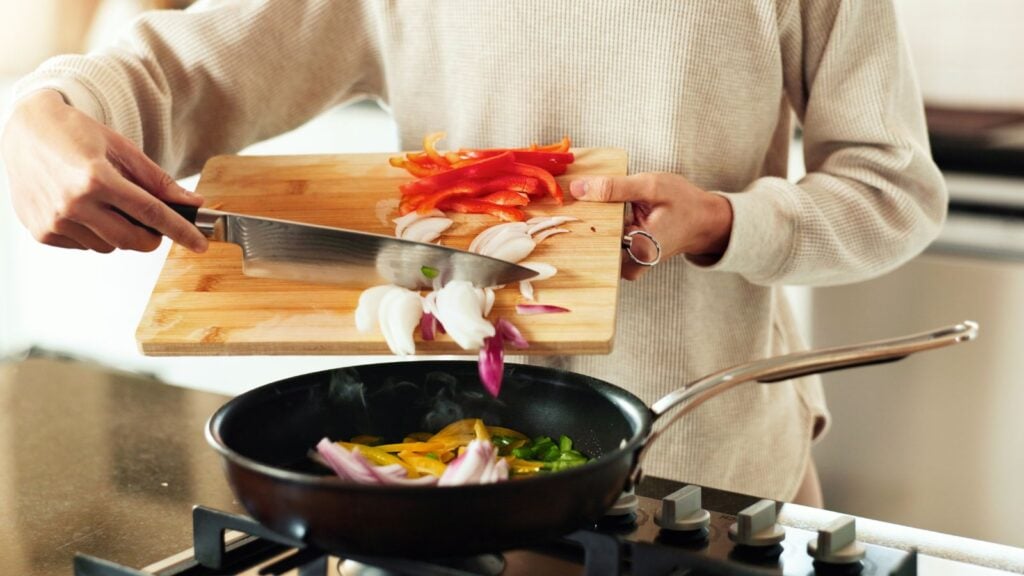
Too much food in a pan will cause it to steam rather than sear or crisp, leading to disappointing results. Instead, either use a larger pan or work in batches to leave enough space around the food to allow for proper cooking and caramelization, especially when cooking proteins or veggies. The texture and flavor of your final dish will reward your taste buds for your efforts!
Tossing Citrus Peels
Citrus zest adds bright flavor to baked goods, marinades, and sauces. Grating the peel uses oils for an extra citrus note that juice alone can’t provide. It’s an easy way to reduce waste and enhance recipes. This trick works with all citrus fruits.
Not Rinsing Grains
Rinse your dang rice! Skipping the quick rinse for rice or quinoa can lead to gummy or clumpy textures, neither of which is the goal for great grains. A simple rinse in a sieve will wash away excess starch, ensuring fluffier results for your final dish. This step also removes any residual debris. Clean grains cook more consistently.
Skipping Meat Resting Time
Don’t cut into your meat as soon as you pull it from the heat, or you may get disappointing, dried-out results. Instead, give it a few minutes to rest! This resting phase allows juices to redistribute and proteins to relax, giving you more tender, flavorful results. A standard 8-ounce steak or chicken breast may only need five minutes, while a large roast turkey may need to rest for 30 – 45 minutes. If you are afraid that the meat will get too cold while waiting, covering it with foil will help keep it warm while it rests. A few minutes make a noticeable difference.