
Tequila Types, Origins, and How to Choose the Right One
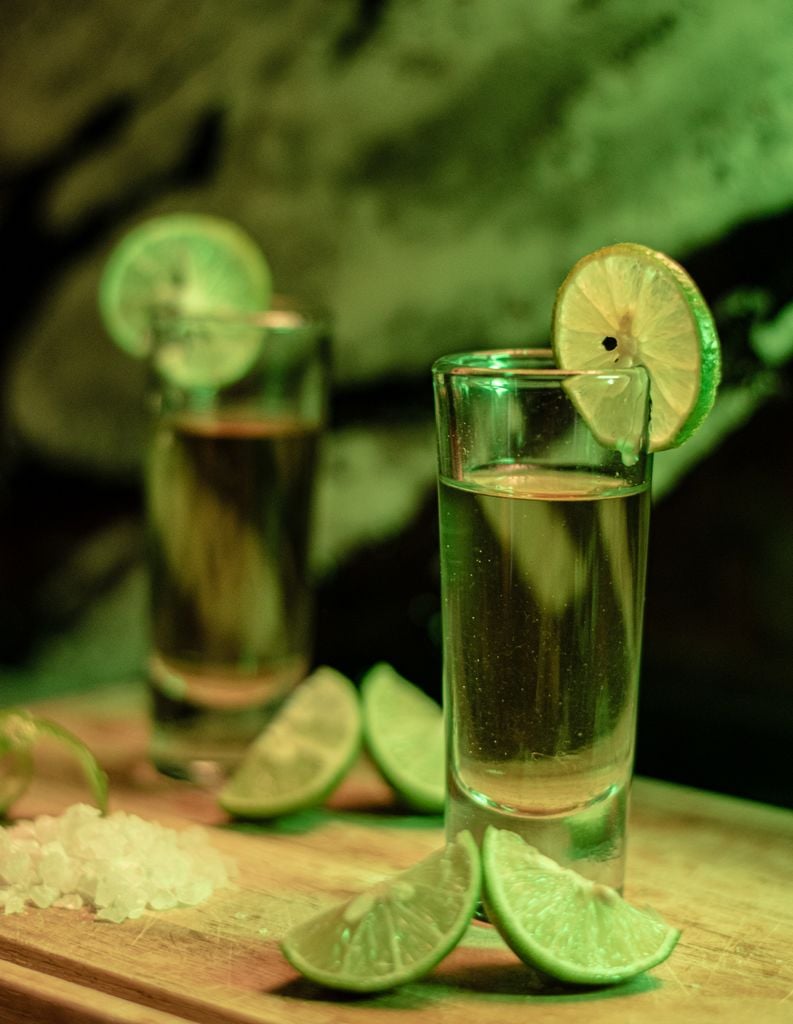
Whether you’re mixing up the perfect margarita or sipping something neat, choosing the right tequila can make all the difference between a good drink and a great one. But with so many bottles lining the shelves, how do you know which one to grab?
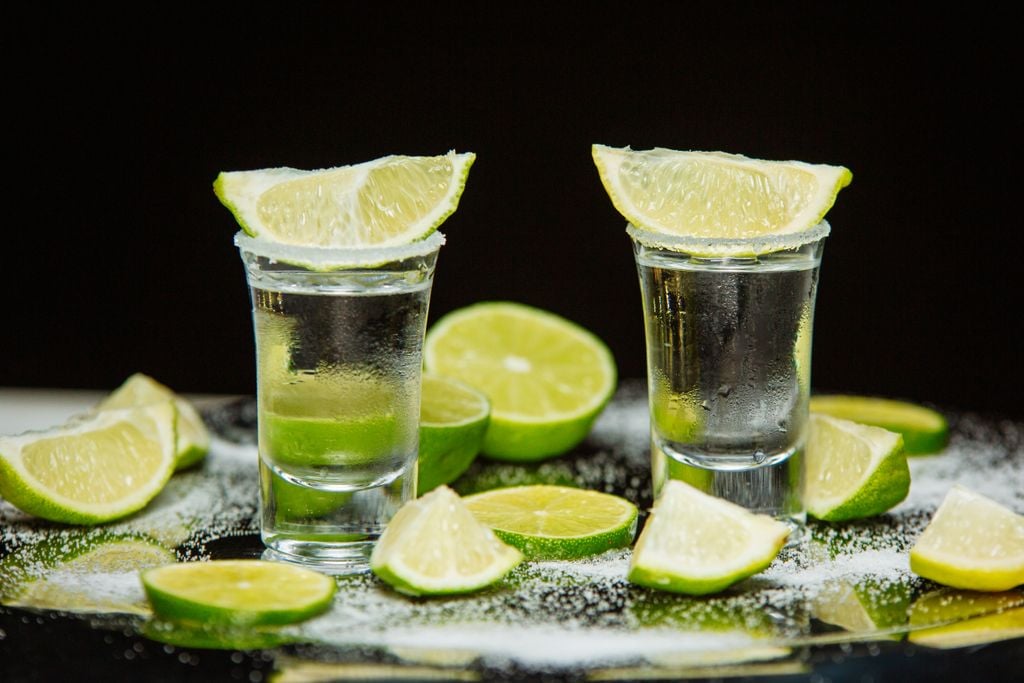
What Actually Is Tequila?
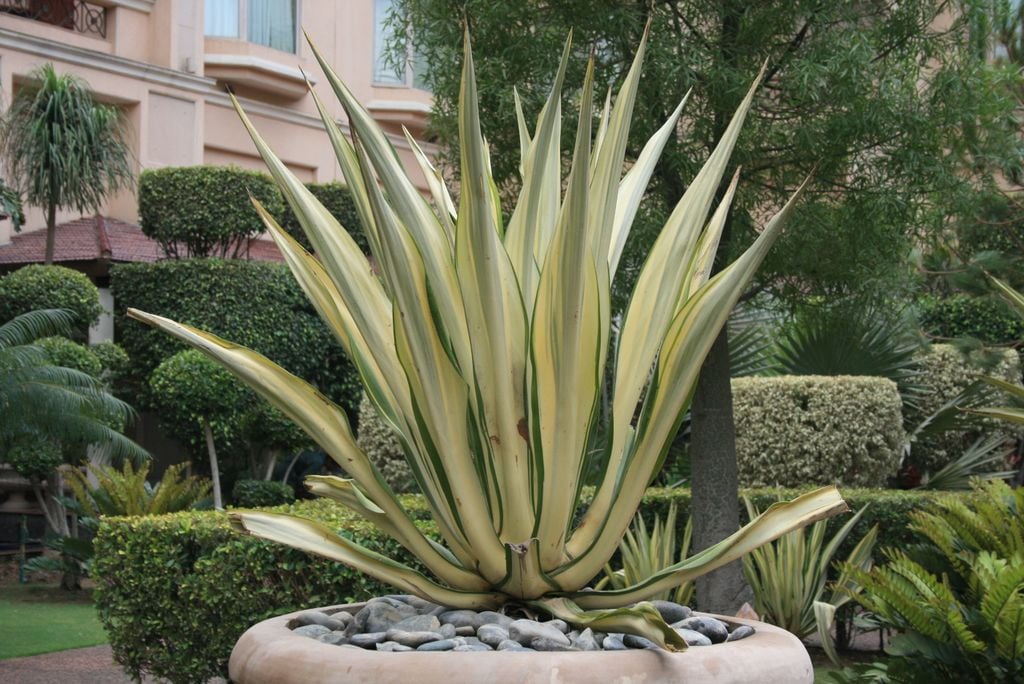
Tequila is a distilled spirit made from the blue agave plant, and here’s something that might surprise you: agave isn’t actually a cactus! It’s a succulent plant that’s related to the lily family. Think of it like how corn is used to make whiskey, or how potatoes and rice are used for vodka. The agave plant is harvested, fermented, and distilled to create this beloved Mexican spirit.
But here’s the catch, tequila can only be called tequila if it’s made in specific regions of Mexico, primarily in the state of Jalisco. It’s kind of like how champagne can only come from the Champagne region of France. This geographic protection makes sure that what you’re getting is the real deal, not some imitator.
The Golden Rule: Always Go 100% Agave
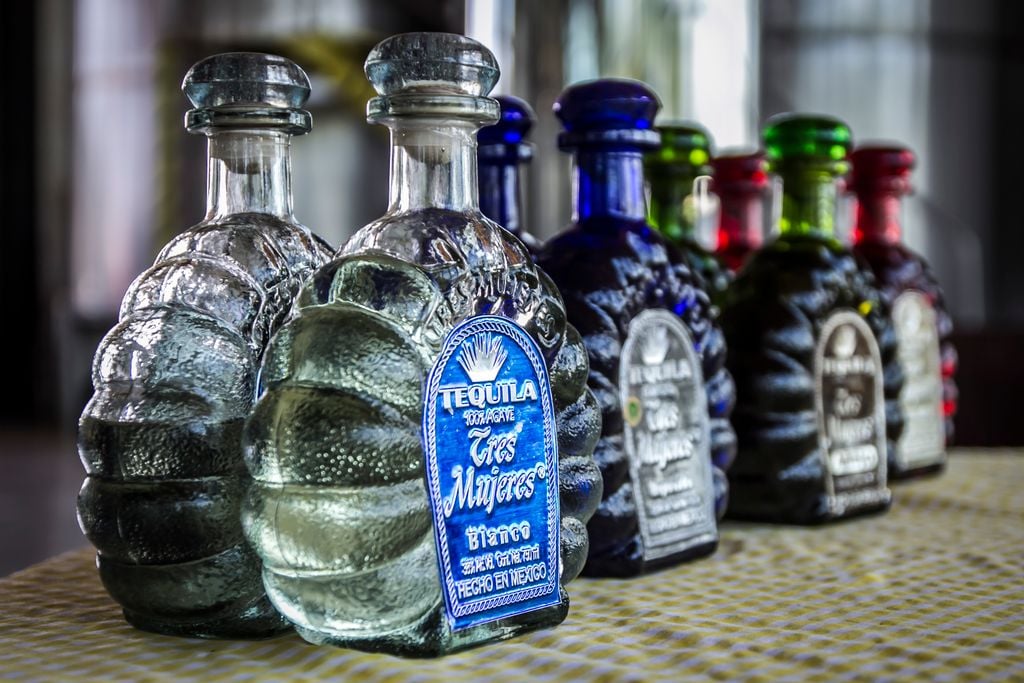
Before we get into the different types, let’s talk about the most important thing to look for on any tequila bottle: “100% de Agave” or “100% Agave.” This means you’re getting pure tequila made entirely from agave, and trust me, it matters more than you think.
Why does this matter? Because having 100% agave means you’re drinking pure tequila, which typically results in fewer unpleasant hangover effects the next morning. Nobody wants to wake up feeling like they got hit by a truck, right?
You’ll also see bottles labeled as “gold” or “joven” tequila on the market. These are typically mixed tequilas that aren’t 100% agave. They often contain added colors, flavors, or sugars to make up for what they’re lacking. While they might be cheaper, I can’t recommend them if you’re looking for a quality drinking experience.
The Four Types of 100% Agave Tequila
Think of tequila types like a timeline, each one representing a different stage of the aging process. Each has its own personality and perfect use case.
Blanco (Silver) Tequila
Blanco tequila is tequila in its purest, most natural form. It’s unaged (or aged for less than two months) and should showcase the clean, bright flavors of the agave plant without any interference from oak barrels.
Best for: Mixed drinks where you want clean agave flavors to shine through. This works great for margaritas where you want a milder flavor that blends beautifully with orange liqueur and lime juice.
What it tastes like: Crisp, clean, with bright agave notes and sometimes a little peppery kick.
Reposado Tequila
Reposado, which means “rested” in Spanish, is the sweet spot for many tequila lovers. It’s aged in oak barrels for anywhere from 2 to 11 months, just long enough to pick up some barrel character without losing that essential agave personality.
The oak barrels work their magic here, similar to what they do for bourbon or wine. The result is a tequila that’s more complex than blanco but not as heavy as the aged varieties.
Best for: This is the goldilocks of tequila, great for both sipping and mixing. Many cocktail experts (including my friend Jenessa, who swears by Hornitos reposado in her Cadillac Margarita) consider this the top choice for margaritas because it has enough character to stand up to the other ingredients while still playing nicely with them.
What it tastes like: Smooth agave flavors with hints of vanilla, caramel, and oak. It’s like blanco’s sophisticated older sibling.
Añejo Tequila
Añejo means “old” in Spanish, and these tequilas have earned that title. They’re aged in oak barrels for 1 to 3 years, developing deep, complex flavors through this extended aging process.
Best for: Sipping neat or on the rocks. This is where tequila starts to compete with fine whiskeys and cognacs for complexity and character.
What it tastes like: Rich and complex, with deep vanilla, caramel, and spice notes. The agave flavor becomes more mellow and integrated with the oak characteristics.
Extra Añejo Tequila
The newest official category, extra añejo tequilas are aged for over 3 years. These are the luxury cars of the tequila world, crafted in small batches and meant to be savored slowly.
Best for: Special occasions and contemplative sipping. These are meant to be appreciated on their own.
What it tastes like: Incredibly smooth and complex, often compared to fine aged whiskeys or cognacs.
How to Choose Based on What You’re Drinking
Now that you know your blanco from your extra añejo, the real question is what you’re actually doing with it. The right tequila has less to do with which one is “best” and more to do with the occasion, so here’s how to match the bottle to what’s in your glass.
For Margaritas and Mixed Drinks
Go with blanco or reposado. Blanco will give you clean, bright flavors that meld perfectly with lime and orange liqueur. Reposado adds a bit more character and complexity to the glass. If you want to keep things classic, the International Bartenders Association’s standard margarita is just tequila, orange liqueur, and lime juice, no more, no less.
Using añejo or extra añejo in a margarita is kind of like using a high-end French bordeaux for sangria or a rare bourbon for a whiskey and coke. Sure, you could do it, but it’s an expensive waste of really good tequila that’s meant to be appreciated on its own.
For Sipping Neat or On the Rocks
Reposado, añejo, or extra añejo are your friends here. Start with a good reposado if you’re new to sipping tequila. The oak aging takes some of the bite off while adding complexity. As you develop your palate, work your way up to añejo and extra añejo.
For Shots (If You Must)
Stick with blanco or a budget-friendly reposado. But honestly, if you’re taking shots, you’re not really tasting the tequila anyway. Save the good stuff for when you actually want to appreciate it!
For Cooking
Blanco works great for cooking. It’s clean flavors won’t compete with your other ingredients, and there’s no point in using expensive aged tequila when you aren’t really going to be able to taste the nuances of it.
A Few Things to Keep in Mind
Always check the label for “100% de Agave” or “100% Agave” before you buy, and don’t assume price tells you everything, some excellent tequilas are reasonably priced, while a few expensive bottles aren’t worth what you paid. Store your bottle in a cool, dark place; unlike wine, tequila doesn’t keep aging once it’s bottled, so there’s no benefit to letting it sit around. And if you’re new to tequila, start in cocktails before you try sipping it neat, you’ll get a feel for what you like without committing to a bottle you might not enjoy on its own.
The most important thing to remember? There’s no wrong way to have tequila as long as you’re drinking what you like. Whether you prefer it in a well-crafted margarita or sipped slowly while watching the sunset, good tequila is meant to be enjoyed. Start with these guidelines, but let your own taste buds be the final judge of what works for you.